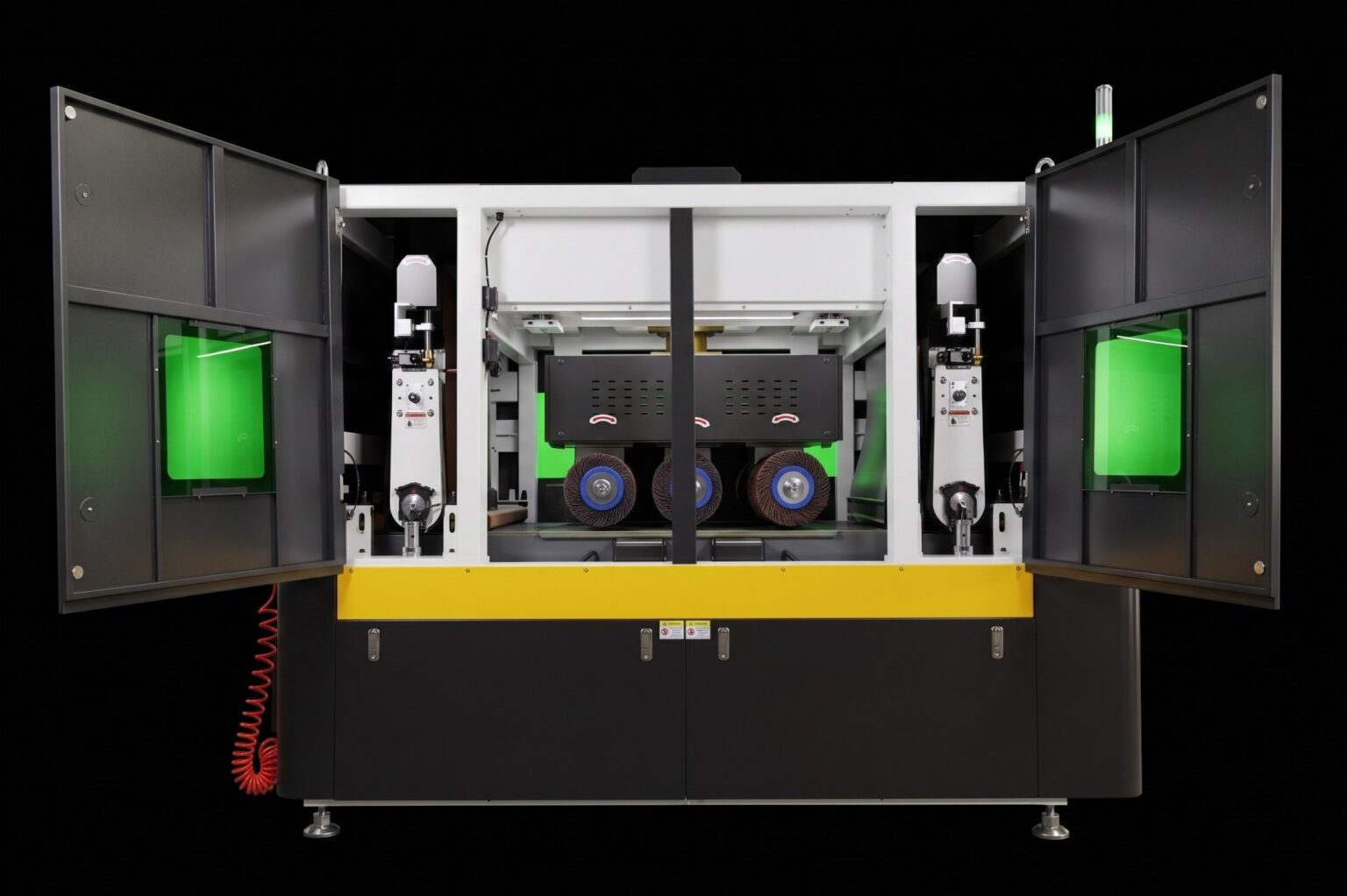
Starting a thorough examination involving intelligent apparatuses designed focused on surface finishing offer revolutionized assembly operations, granting notable gains about throughput and superiority. Our overview explores the several types of machines, made up of media sanding systems, whirling tools, and progressive digital tools. We will address the positives of using such devices, like curtailed workforce expenses, raised manufacturing precision, and reinforced operational output.
Contour Deburring Devices: Definite Refining Elaborated
Edge chamfering tools offer a sophisticated solution for producing spot-on finalizing on components. Differing from manual ways, these robotic apparatuses furnish regular outcomes and greatly boost construction efficiency. These devices usually implement various grinding instruments like whirling tips, polishing abrasives, or tailored patterns to cut away sharp ends and spurs. These kinds of process is fundamental in a extensive collection of sectors, encompassing automotive and technology.- Elevate finish condition
- Decrease workshop spending
- Expand amount and efficiency
Scale Separation Tools: Delivering Flawless, Top-Notch Layers
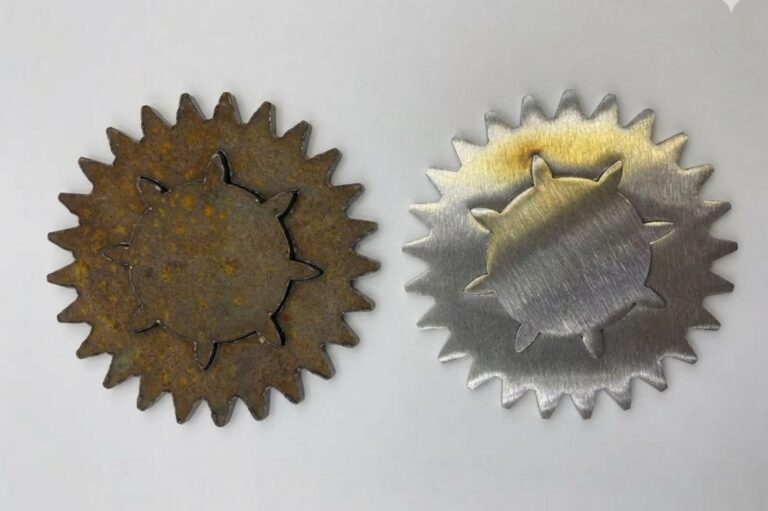
Current casting methods invariably cause significant amounts of byproducts, a byproduct that, if neglected, can severely harm the appearance of the end result. Fortunately, advanced scraping systems offer a efficient solution. These optimized machines, employing techniques like surface cleaning, are designed to exhaustively eliminate this unwanted material, ensuring a spotless and superior surface. The resulting benefits include curtailed rejection rates, augmented aesthetic appeal, and an overall gain in production efficiency. By utilizing breakthrough slag removal technology, manufacturers can consistently deliver first-class surfaces and fulfill stringent industry standards.
Thin Metal Surfacing: The Benefits of Deburring Units
Gaining a superior finish on sheet metal units is vital for reliability, and deburring appliances provide important upsides over manual methods. Getting rid of burrs effectively not only raises the external quality of the product, but also reduces possible defects during processing and functioning. Additionally, automated deburring approaches improve operation speeds and curtail labor charges.
Optimizing Sheet Metal Production with Automatic Deburring
With the aim to boost effectiveness in sheet metal fabrication, evaluate mechanized deburring processes. Classic deburring is frequently drawing-out and liable to errors. Utilizing robotic deburring grants remarkable advantages, featuring cut staffing outlays, advanced part quality, and boosted throughput. This commitments could rapidly repay themselves.Opting for the Perfect Deburring System for Your Operation
Selecting the best deburring equipment for your individual needs necessitates a exhaustive assessment of several elements. At the outset, analyze the form of input you're working with – steel requires distinctive techniques than resin. Thereafter, reflect upon the size and geometry of the components needing burr removal. Concluding, reflect on your workload scale; a bulk operation needs a custom type of machine than a low-volume one. Failing to address these points can lead to poor results and additional investment.
Deburring Machine Method: Evolutions and Revolutions
State-of-the-art surface smoothing tool approach is encountering rapid progress, spurred by the required for improved accuracy and efficiency in routines steps. Critical changes encompass the implementation of robotic devices for variable edge smoothing processes, alongside improvements in brush device. We're besides noticing a growth in portable finishing machines suited for localized jobs, and state-of-the-art approaches like hydraulic surface smoothing are garnering momentum. The expectation signals towards enhanced coupling of edge finishing systems within the networked plant environment.
Advancing Ferrous Section Integrity with Corner Trimming
Many production processes for aluminum parts introduce sharp edges, which can lead to stress concentrations and deficiencies that degrade overall robustness. Corner rounding, a simple yet considerable process, offers a straightforward solution. It incorporates slightly smoothing the jagged edges of a piece during the construction stage. This diminishes stress accumulations, enhances endurance performance, and can reduce cracking. Benefits are further amplified when dealing with sophisticated figures or parts subjected to intense weight. Considerations include the optimal rounding of the round and its influence on coupling with other components.
- Cuts down Stress Accumulates
- Increases Endurance Resistance
- Stops Rupturing
Slag Clearing vs. Edge : Learning the Variations
Though many workers use the terms “slag clearing” and “deburring” confusingly, they indicate distinct procedures in metal workshop processes. Bur processing focuses on get rid of the sharp, often tiny, spurs created during working operations—these are excess debris of alloy left on the element. Byproduct purging, conversely, addresses this remnant – typically a concoction of residues – that manifests during processes like casting. Essentially, deburring deals with excess borders, while slag processing deals with those remains of a diverse operation. To conclude, mechanized deburring and waste removal tools are indispensable components of modern metal surface finishing solutions for sheet metal parts production that support exceptional finished products with minimized defects and optimized efficiency.Finishing the analysis focuses on the vital role of modern automated deburring technologies in transforming fabrication norms and supporting businesses accomplish enhanced productivity and performance.