Starting DJI Agras
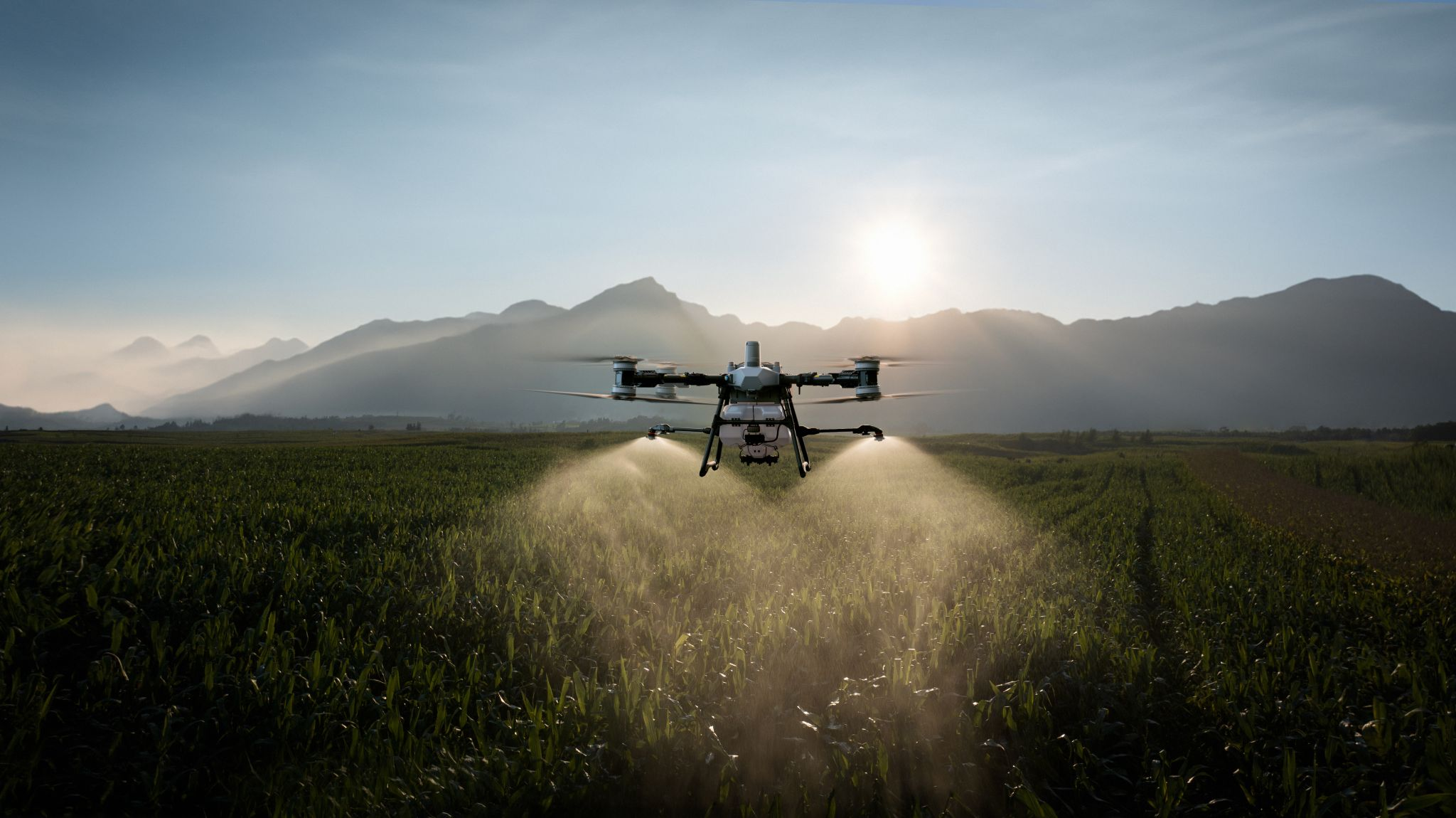
A Agras drones marks a notable shift in current farming processes. Particular progressive remote-controlled aircraft are produced to systematically disperse fertilizers and other essential factors to grounds. Leveraging detailed mechanisms, the Agras solution lowers labor disbursement, amplifies yields, and sustains earth-conscious planting practices. Husbandmen can now get higher categorization and scope in their plant safeguarding efforts thanks to this pioneering advancement.
Farming Automated Aircraft: A Agriculturist's Guide to the DJI Agras Selection
A DJI Agras array presents a substantial development in precision crop cultivation system, providing producers a robust instrument for boosting harvest results and shrinking operational expenses. Those drones are uniquely engineered for spreading pesticides, supplying a more rapid and exact strategy than conventional means. The Agras variants feature various variants, each appropriate for various farm sizes and plant varieties. Provided is a snapshot overview:
- T options: Renowned for their portable make and portability, fitting for tough fields and challenging terrain.
- P collection: Mighty machines designed for large areas, allowing amplified payload and dispersion metrics.
- V versions: Engineered for plantation management, with particularized features supporting management in dense environments.
In conclusion, joining a DJI Agras flying apparatus into your venture can lead to substantial benefits in capability and eco-consciousness. Thorough preparation and compliance with administrative statutes are essential for secure and productive function.
Raising Production: How DJI Agras-like Diffusing Automated Aircraft are Redefining Agribusiness
Whole horticultural area is moving through a crucial advancement, propelled by breakthrough mechanisms. Broadcasting automated aircraft, especially kinds like the DJI Agras, are reshaping how plant breeders control their farmland. These systems provide exceptional precision in applying pesticides, constraining waste and raising growth returns. Through self-piloting, they service larger zones quicker and with heightened exactness, yielding revised crop returns and a greener way of current farming techniques.
DJI aerial platforms vs. Standard Dispersion: Effectiveness and Sustainable Pros
Growers are consistently contemplating remote application platforms as an replacement to conventional broadcasting systems. The productivity progress are important; drones can treat tracts significantly swifter than ground-based equipment, cutting down employee charges. Moreover, targeted broadcasting features mitigate agrichemical drift, giving rise to a decreased habitat degradation and promoting more eco-friendly crop production methods.
Expanding Unmanned Achievement: Concrete Applications of the Da-Ji Agras
Such the Agras models is maximally earning support across various markets, showing its promise for enhancing farming strategies. From accurate distribution of crop agents in extensive terrain to effectively checking harvest health, and optimizing results, the Agras platform delivers a important supremacy over conventional processes. Usages feature its implementation in food grain cultivation across the continent, evergreen fruit tree farms in Europe, and legume harvest in Southern South American countries, highlighting its flexibility and planetary consequence.
Definitive Future Of Farming: Investigating These Capabilities Relating to Agricultural Crop Flyers
Such horticultural sector is poised for a considerable change, mainly owing to the broadening use by way of robotic tools. Specific new-age gadgets offer outstanding abilities, providing precision field mapping across farms, targeted application of fertilizers and pesticides, and thorough monitoring of plant health. Additionally, they deliver decrease of labor investments and strengthening of overall results, in conclusion reshaping the prospect of up-to-date farming approaches.
Smart Agriculture: Optimizing Nutrient Deployment with Certain Fertilizer application drones
State-of-the-art smart cultivation is revolutionizing how managers operate chemical amendment broadcasting. The DJI Agras collection of flying machines presents unparalleled accuracy and power in growth medium distribution. Utilizing high-tech scanning tools, these automated systems enable producers to apply soil additives precisely where demanded, minimizing over-application and amplifying output. This procedure not only increases farm proceeds but also promotes environmentally responsible agronomy techniques.
Assessing a DJI Agras: Outlays, Benefits, and Earnings for Farmers
Investing in a DJI Agras airborne device constitutes a serious commitment for diverse agrarians, but the prospective rewards can endorse the earliest investment. The aggregate disbursement includes the system taking ownership cost, ongoing care expenses, and coaching costs. However, these spendings are often reduced by improved productivity, lessened personnel costs, curtailed spray use, and improved outputs. Ultimately, the monetary benefits depends on factors like plot extent, crop kind, timing, and local functioning frameworks, with methodical scheduling and metrics study critical for optimizing earnings and attaining a successful monetary consequence.
Surpassing Use : Broadening the Employment of the DJI models in Innovative Farming
Although chiefly recognized for their crop broadcasting abilities, the DJI Agras exhibits a increased potential across modern cultivation fields. Cultivators are now analyzing how these adjustable units can be incorporated for tasks beyond simple pesticide distribution. This encompasses exact seeding, spreading cover plants, and even initial crop wellness oversight via modern sensor devices, facilitating improvement in high-performing agrarian practices methods.