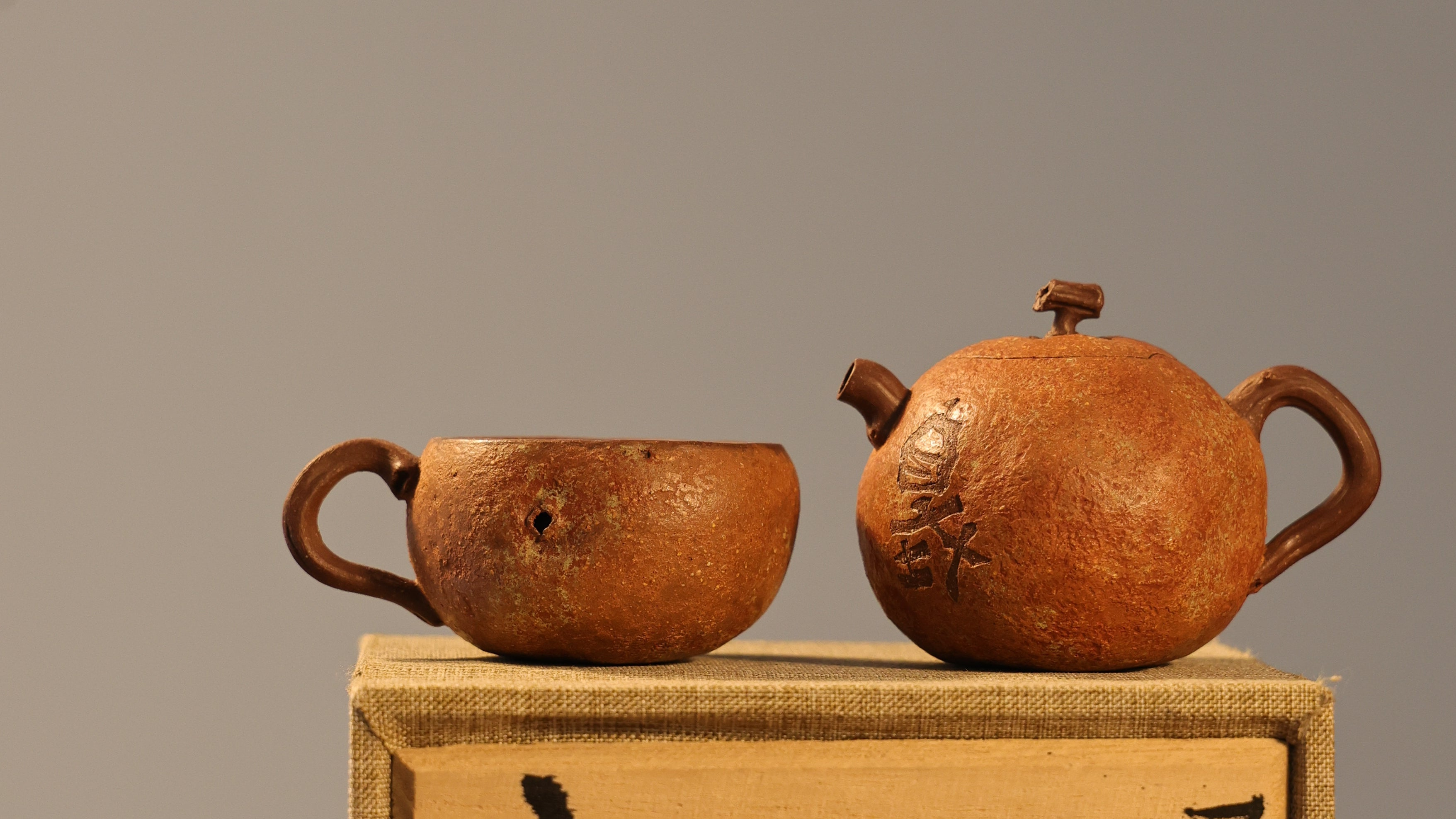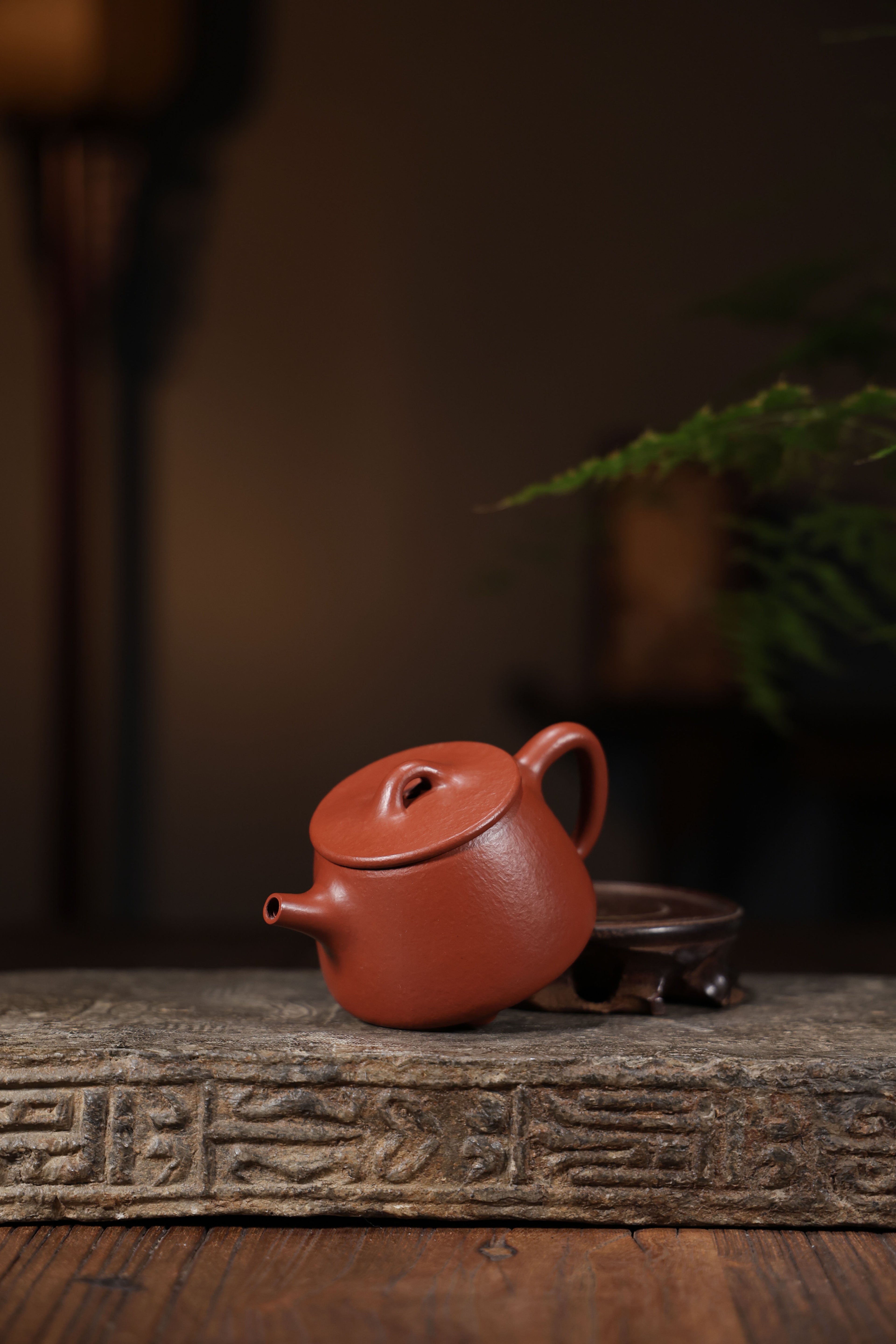
Opening this in-depth inspection of Eysing Tzu Sha porcelain pots brings exclusive intriguing blend of artistry alongside utility.
宜兴 Zi Sha ceramic vessels enjoy a unique charm among collectors globally. Those remarkable earthenware containers, originating from the original Issing territory around Jiangsu area, China, represent more than just teaware; they are considered works decorative beauty and ancestral significance. A finely processed clay, known by Zisha, imparts a understated flavor over the tea, and the ornate designs, often illustrating traditional Chinese patterns, raise their built-in value. Obtaining a genuine Yixing Zisha teapot is a enjoyable journey, entailing careful analysis and an grasp of the countless factors influencing its scarcity.
Uncovering Yixing Pottery
Ihsing teapots boast a vibrant tradition deeply interwoven with Chinese legacy. Originating in Yixing, Jiangsu division, these jugs are crafted from a unique, porous purple dirt found only in that exclusive location. Their creation began during the Ming dynasty, with master makers refining the methods over eras. Multiple types prevail, including the classic Hexiang (resembling crab shells), Zhuni (red-brown hue), and Duan Ni (stone-studded) – each with distinctive aspects. The worth of an Yixing brewing pot isn't solely based on its size or embellishment, but Purple Clay Teapot also on the craftsperson’s reputation, the soil's quality, and the teapot's age and condition. Aficionados often seek out older examples, believing they absorb the essence of the tea brewed within them over time, further adding to their eminence.- Hexiang Earthen Pots
- Zhuni Clay Pots
- Duan Ni Clay Pots
Zisha Teapot Mastery: Fabrication & Procedures
Unique crafting of Zisha teapots represents a summit of Chinese ceramic art. Expert artisans employ classic techniques, often passed down through families, to unlock the full essence of this unique clay. Strategies involve meticulous molding by hand, often combined with the looping method, followed by precise kilning at incredibly elevated temperatures in wood-fired kilns. Beautifying is equally crucial; producers utilize intrinsic clay colors and may incorporate etching work to depict intricate scenes or patterns, demonstrating a profound expertise of the material’s qualities and spirit. The consequence teapot isn't merely a vessel for tea, but a testament to a profound cultural history.
Chinese Ceramics: This Outline to Yixing Zi Sha
Unveiling the world of Traditional teapots generally starts with Yixing Zisha. These special clay earthenware are constructed from a exclusive type of clay found only in the Yixing region of the Jiangsu province. Celebrated for its exclusive reddish-purple hue and high-quality merits, Zisha clay imparts a delicate flavor to the infusion and matures with age, growing into a cherished artifact. Curating Yixing Zisha earthenware is more than just acquiring a beautiful object; it’s a celebration of heritage and craftsmanship.
Considering such Clay Pottery: Validity & Increase
Beginning the domain of Yixing Zisha ceramics can be extremely profitable, but calls for a sharp perception. Truthfulness is essential; several replicas are present, often deceptively forged. Educating yourself about ancient roasting procedures, exclusive soil features, and the signatures of reputable manufacturers is fully essential. Besides, grasping the subtleties of the expansion development – influenced by reasons such as artistic significance and the status of the product – is crucial to profitable assembling.
- Studying baking history.
- Contacting consultants for validation.
- Appraising business trends.
The Method of Steeping with a Zisha Urn
A unique allure of a Zisha tool lies not just in its stunning appearance, but also in its profound impact on the aroma of the beverage. These vintage clay earthenware, sourced from specific regions of China, possess a native porosity that gradually interacts with the drink and leaves, imbuing the beverage with a delicate character. Mastering the practice requires a mindful approach, understanding how the earth responds to diverse heating regimes and herbal types, ultimately leading to a unquestionably rewarding drinking ceremony.
Conserving Your Artifact
Proper treatment of your Yixing container is fundamental to sustaining its lastingness. These exceptional teapots, crafted from rare Yixing clay, gain a appearance over years that augments their value. Consistently rinse the inside part with plain water, avoiding harsh substances, and never use harsh scrubbing tools. Periodic gentle drying with a gentle cloth can encourage in removing spots. Allow your urn to completely dry prior to each preparation
Decoding Terracotta: Aspects Yixing Vessels Signify Outstanding
The celebrated appeal of Yixing teapots arises from the exclusive properties of Zisha clay, mined solely near Yixing, Jiangsu. This distinct clay, consisting of ferruginous ceramic , holds a atypical combination of minerals that, through use, assimilate the bouquet of the liquids it holds. This creates a unique scent for each ceramic pot, ensuring it a value far greater than its primary price and aiding to their admired status among experts.
Unearthing the Suitable Oriental Earthenware: A Earthen Directory
Venturing into the world of Purple clay teapots can feel difficult, but understanding the roots is paramount to determining a sought-after piece. This category of clay, sourced primarily from the Yixing region, Jiangsu Province, is known for its special feel and ability to develop the taste of the infusion over years. Consider the shape, the color, and the presentation; a valid Zisha teapot is more than just a jug; it's a handmade piece and a manifestation of eastern culture. Seek the inscription of the maker for clues to its provenance and potential value.