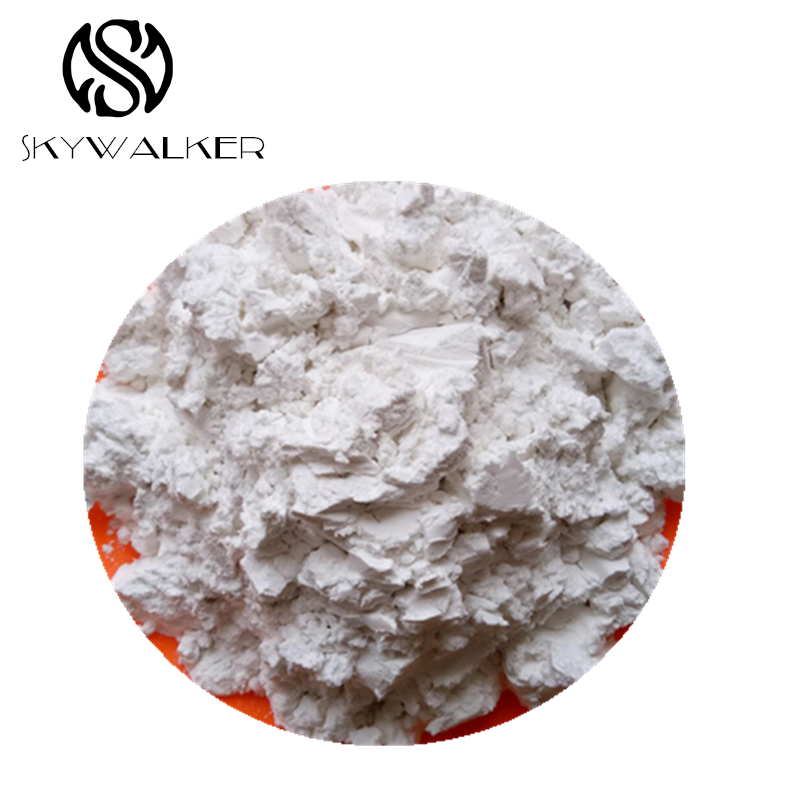
Commencingthis filtering substance functions as premium substance regularly leveraged in various manufacturing operations, particularly for purification of refreshments. Taken from the fossilized remains of diatoms, it exhibits a unique complex activated bleaching earth texture that grants premium cleansing. This compound functions by creating a delicate filtering bed on a membrane filter, capturing small debris while supporting fluid transit. Determining the best category of microsilica filter compound is necessary for highest yield.
Mobilizing Filtered Sediment Substance for Cleansing
Microporous compound, composed of the fossilized remains of microscopic algae called diatoms, presents a compelling answer for filtration various ingredients. Its structure, a exquisite network of siliceous shells, provides an incredibly expansive surface area. This permits for highly effective removal of particles from liquid compounds. Deployments range from hydrous cleaning and drink manufacture to pool processing and even plantation techniques. Advantages include its non-synthetic origin, financial prudence compared to various synthetic alternatives, and its ability to profoundly seize a broad set of undesirables.
- Delivers superior substance removal.
- Acts as a environmentally sound choice.
- Suitable for several sectors.
Improved Bleaching Soil: Characteristics and Operations
Modified bleaching layer is a class of raw smectite that has undergone unique enhancement to boost its absorptive competences. This process typically involves mechanical alteration, resulting in a augmented configuration with a massive surface. Consequently, it exhibits phenomenal proficiency to isolate colored compounds from a comprehensive selection of substances, finding significant purposes in the detoxification of greases, lard, and other colored ingredients. In addition, its sustainable nature and economic value contribute to its developing appeal in various businesses.
Diatomite in Comparison with Various Filter Agents
Choosing the ideal screening component for a specific process can be challenging. While activated carbon and other equivalents exist, diatomite repeatedly presents a persuasive case for its excellence. Against these substitutes, diatomite usually offers superior lucidity and a stronger rate of removing sediments. However, such perfect choice ultimately depends on considerations such as expense, operation requirements, and targeted consequence status.
Scientific Principles of Diatomite Filtration
Microshell earth or recognized as mineralized sediment filtration refining leverages the unique or distinct structure of the microscopic minute algae remains. These these diatoms, upon upon death, form generate a sedimentary earth-like rock mass composed formed of intricately finely porous openwork silica siliceous shells. This aforementioned porous lattice-like network web provides an incredibly extraordinarily large extent for removing particulate tiny matter contaminants from across liquids fluids, achieving or accomplishing highly or effective specialized filtration sifting.
Enhancing Whitening Performance Using Treated Clay
Enhancing aforementioned refining approach employing treated earth presents a interesting alternative for advancing capability. The stated biogenic material, originating in clay, possesses extraordinary holding qualities that enable it to adeptly clear discolored impurities from woven materials, thereby curtailing usage of harsh inorganic compounds and supporting a more product.
Exploring Diatomite Grade Variations
Choosing the right earth powder category is critical for high-performing clarification processes. Microfossil powder grades are grouped by their particle proportion, usually expressed in fine scales. Lower grades, like FF or Filter-X, offer top-notch purity and are preferable for fragile liquids, while chunkier grades, such as Perlite or Celite 500, deliver a escalated fluid throughput for fewer tasks. Understanding these alterations will enable you to advance your filtering benefits and minimize outlays tied with the operation.
Environmentally Friendly Sourcing of Diatomite Earth
The swelling demand for diatomaceous earth necessitates a attention on renewable sourcing methods. Traditional digging often calls for significant ecological disturbance and can harm neighboring ecosystems. At present, forward-thinking firms are probing alternatives, such as reclamation of used sites, ensuring curtailed disruption and upholding ecological habitats. Furthermore, clarity in the transit is becoming crucial, allowing purchasers to formulate informed opinions and advocate environmentally conscious activities. Thus, responsible supervision of diatomaceous earth supplies is vital for sustained availability and curtailed environmental damage.
- Alleviated land footprint.
- Reclamation of digging sites.
- Elevated monitoring in the transit.
Enhanced Clearing Earth: A Scientific View
Examining a laboratory viewpoint, modified purifying substance represents a special class of silicaceous minerals. Beforehand, halloysite powder is reactively modified via refinement – typically involving enzymatic operation – to dramatically amplify its trapping attributes. These conditioning creates a vast interface with a significant number of negatively charged positions, facilitating the binding of pigmented impurities from solvent systems. The behavior predominantly involves van der Waals forces and secondary attractions, resulting in a enhanced material.