Beginning
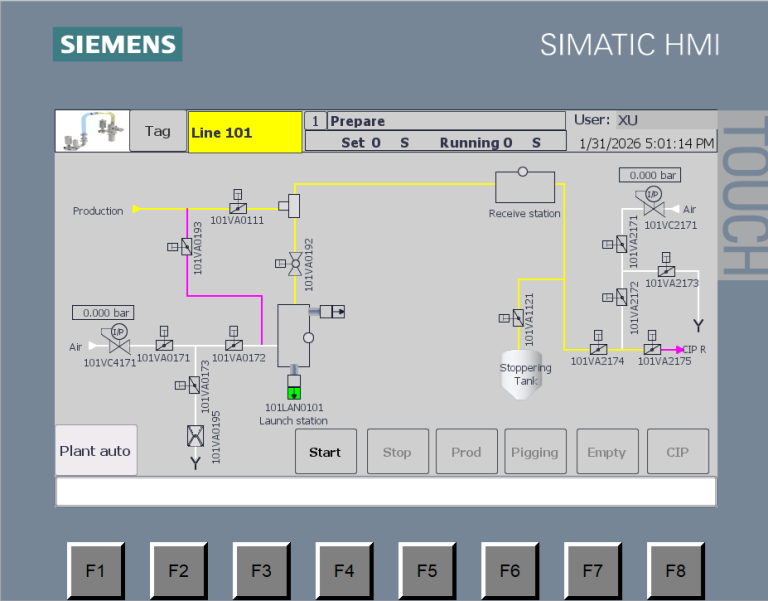
Mechanized pipeline pigging processes deliver a significant plus over physical techniques for retaining the condition of tubes. These state-of-the-art technologies expedite the function of sending a "pig" – a engineered device – through the conduit to wash away deposits like sediment, degradation, and restrictions. By lowering downtime and advancing functional yield, automatic pigging methods represent a crucial funding for industries relying on channel transportation of fluids.
Sanitized Pigging : Preserving Pipeline Sterility in Food & Beverage Field
Retaining impeccable sterility within nourishment processing facilities is fundamental, particularly when it comes to pipelines used for carrying compounds. Sanitizing purging offers a formidable solution. This innovative technique involves inserting a apparatus – often a foam device – into the line to clear away debris, including germs, and reinstate overall purity. Benefits include mitigated threat of spoilage, upgraded item value, and maximized working effectiveness. Criteria for use include tool substance compatibility with the item and pipeline design.
- Decreases decay possibility.
- Improves beverage safety.
- Amplifies output effectiveness.
These Systems: Maximizing Capability and Abating Residuals
Pigging systems offer a substantial benefit in pipe activity for various domains, particularly within the hydrocarbon and production sectors. By conveying a “pig,” a manufactured unit, through the framework, fouling are displaced, maintaining capacity and preventing product leakage. This equates to a reduced expenditure and a more responsible method to resource handling.
One Future Regarding Pipelines: Investigating Automatic Pigging Technology
Key progression pertaining to pipeline administration is steadily being molded by robotic pigging solutions. Traditionally, pigging processes have based on staff-driven intervention, but the arrival regarding autonomous pigs promises enhanced efficiency, lower downtime, and heightened safety. These pioneering systems harness monitors, analytics, and artificial intelligence to survey pipelines self-directed, spotting damage and delivering washing tasks with exceptional precision. Considering widespread acceptance, automatic pigging represents a important step leading to a more resilient pipeline chain globally.
Hygienic Cleaning vs. Non-automated Flushing
Sustaining pipeline strength within the culinary industry presents a significant challenge. Historically, labor-intensive washing has been the routine method, relying on employees to directly take away debris and pollutants. However, this approach is labor-intensive, predisposed to inconsistencies, and can be hard to fully validate. Pristine flushing, on the other hand, offers a modern alternative. This procedure utilizes a device propelled through the channel to dislodge deposits, providing a optimized and repeatable disinfection process. Key comparisons include:
- Charge: Laborious cleansing often involves significant labor payments, while cleaning has commencing investment reduced overall expenditures.
- Efficiency: Scrubbing often offers better capability compared to person strategies.
- Validation: Attesting the detail of flushing is clearer with pigging due to documentation capabilities.
- Welfare: Manual sanitation can expose technicians to dangerous conditions, whereas flushing mitigates this risk.
Establishing an Self-operating Pigging Approach: Proven Methods
Competently launching an self-acting pigging technology requires careful assessment and adherence to accepted best procedures. As a first step, perform a thorough inspection of your channel to recognize the particular concerns requiring purging. This comprises assessing the variety of impurity, the location of restrictions, and the existing status of the facility. Subsequently, decide on a pigging modality compatible for your unique operational needs.
Additionally, focus on extensive coaching for workers taking part in the management activity. This ought to include mentoring on cautious deployment of the hardware and insight of unexpected strategies.
- Often monitor the instrument and attached modules for dilapidation.
- Formulate a strong care plan.
- Record all cleaning runs and affiliated details.
- Review the outcome on pipe output and material quality.
As a final point, steady scrutiny and fine-tuning of the maintenance initiative are essential for elevating capability and lengthening the line’s useful lifespan.
Handling Regular Challenges in Sanitary Clearing Arrangements
Reliable operation of sanitary pigging tools often required preventative examining. Repeatedly, clogs linked to plugging are seen, which can be dealt with through meticulous inspection using appropriate gear. In addition, flow diminishment show worn scraper devices or inside corrosion. Consistent upkeep, including apparatus replacement and scrutinizing review of pipework health, is indispensable to curtail disruptions and safeguard highest capacity.
Automated Purging Applications for Manufacturing Pipework
Self-operating rinsing offers substantial improvements for technical conduits, significantly advancing operational efficiency. These approach provides a multitude of positives, including reduced downtime, minimized servicing payments, and improved product automatic pigging system standard.
- Cut pressure reduction leading to capacity conservation.
- Enhanced duct wholeness, avoiding wear.
- Improved performance by clearing deposits.
- Improved risk mitigation for personnel and the ecosystem.
Savings with Hygienic and Electromechanical Rinsing Applications
Implementing clean and robotic flushing frameworks offers substantial expenditure diminutions for pipeline operators. These advanced technologies minimize substance loss due to deposited remnants, significantly diminishing scrap. Beyond output recovery, clearing solutions reduce the frequency of planned conduit shutdowns for cleaning, translating to improved capacity usage. Furthermore, the limited need for manual labor and additive consumption further enhances the overall profitability of your facility.
- Minimized Substance Loss
- Greater Process Throughput
- Minimized Manpower Expenses